
In an era where information flows freely and content creation is at its peak, the line between inspiration and imitation can sometimes blur. Have you ever wondered if your work is truly original? Or perhaps you’re an educator concerned about maintaining academic integrity. Enter the world of plagiarism checker tools – your digital guardians against unintentional copying and content theft.
Imagine a world where every word you write is scrutinized for authenticity, where your ideas are protected, and your reputation remains untarnished. 🛡️ That’s the power of a plagiarism checker at your fingertips. These AI-powered marvels don’t just detect copied text; they’re your partners in maintaining integrity, enhancing writing quality, and even improving your research skills. From students racing to meet deadlines to professionals crafting crucial reports, plagiarism checkers are becoming an indispensable ally in the quest for originality.
In this comprehensive guide, we’ll dive into the intricacies of plagiarism detection, explore the features that make these tools indispensable, and uncover how they can benefit various user groups. We’ll also peek under the hood to understand how these digital sleuths work their magic and help you choose the right tool for your needs. So, whether you’re a curious writer, a diligent student, or a cautious educator, buckle up as we embark on a journey to discover the world of plagiarism checkers and how they’re revolutionizing the way we approach originality in the digital age.
Understanding Plagiarism
A. Definition and types of plagiarism
Plagiarism is the act of presenting someone else’s work or ideas as your own without proper attribution. It’s a serious offense in both academic and professional settings. There are several types of plagiarism:
- Global plagiarism: Submitting an entire work by another author as one’s own
- Verbatim plagiarism: Directly copying text without attribution
- Paraphrasing plagiarism: Rephrasing ideas without proper citation
- Patchwork plagiarism: Combining portions from multiple sources without crediting original authors
- Self-plagiarism: Reusing one’s previously submitted work without acknowledgment
| Type of Plagiarism | Description | Severity |
|---|---|---|
| Global | Submitting entire work as own | Most severe |
| Verbatim | Direct copying without citation | High |
| Paraphrasing | Rewording without credit | Moderate to High |
| Patchwork | Mixing borrowed content | Moderate |
| Self-plagiarism | Reusing own work | Varies |
B. Consequences in academic and professional settings
The consequences of plagiarism can be severe and far-reaching:
- Academic penalties: Failing grades, suspension, or expulsion
- Damage to professional reputation
- Legal consequences and monetary penalties
- Ethical violations akin to theft
- Loss of credibility and trust
C. Importance of maintaining content originality
Maintaining content originality is crucial for several reasons:
- Promotes personal learning and growth
- Respects the efforts of original authors
- Enhances academic and professional integrity
- Develops critical thinking and writing skills
- Avoids severe consequences associated with plagiarism
To ensure content originality:
- Use proper citation techniques
- Paraphrase effectively while giving credit
- Utilize plagiarism detection tools
- Familiarize yourself with citation formats (APA, MLA, etc.)
- Develop strong research and writing skills
Now that we have covered the fundamental aspects of plagiarism and the importance of content originality, let’s explore the features of plagiarism checker tools that can help maintain academic and professional integrity.
Features of Plagiarism Checker Tools
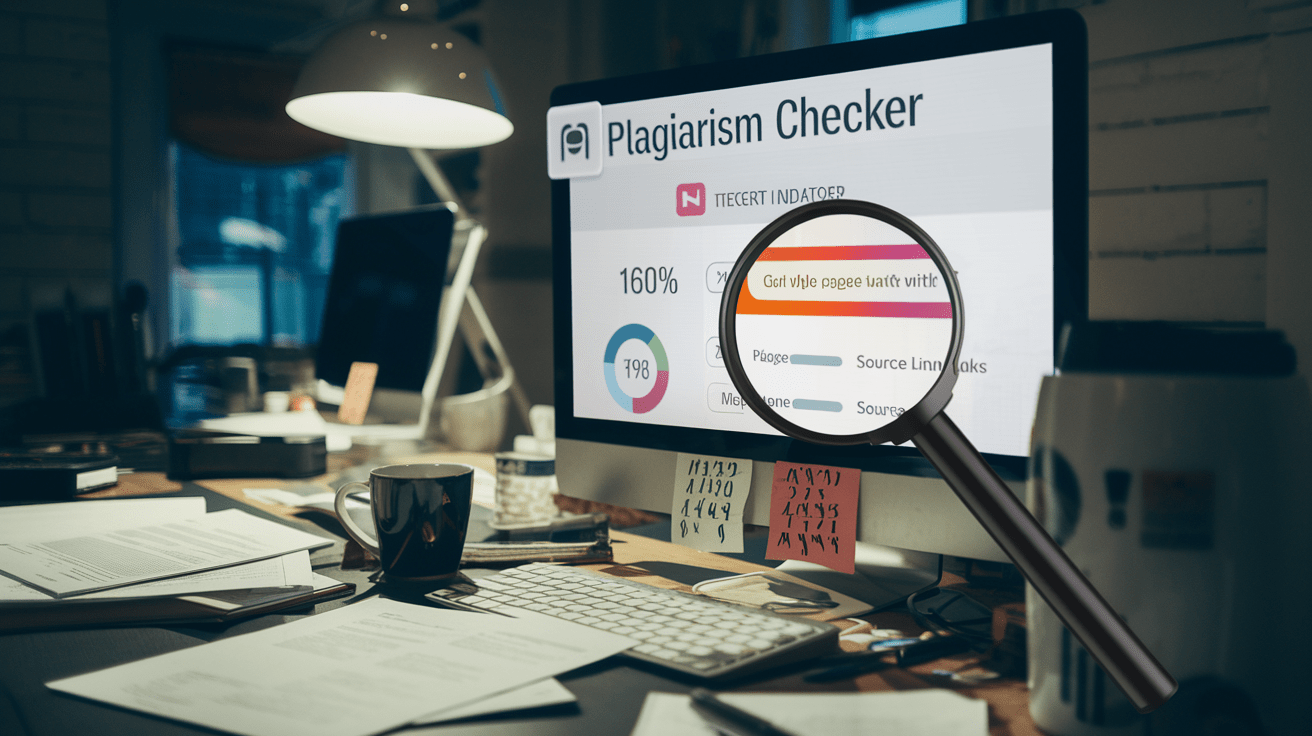
Now that we’ve explored the concept of plagiarism, let’s delve into the key features that make plagiarism checker tools effective and reliable.
AI-powered detection algorithms
Modern plagiarism checkers utilize advanced AI algorithms to analyze text with remarkable accuracy. These intelligent systems go beyond simple word matching, examining:
- Lexical frequencies
- Word choice patterns
- Matching phrases
This sophisticated approach allows for the detection of both obvious and nuanced forms of plagiarism, including paraphrasing and AI-generated content.
Multi-language support
Top-tier plagiarism detection tools offer support for multiple languages, catering to a global audience. For example:
| Languages Supported |
|---|
| English |
| Spanish |
| Arabic |
| And more… |
This feature ensures that content creators and educators worldwide can maintain academic integrity across language barriers.
Real-time results and processing speed
Efficiency is crucial in today’s fast-paced academic and professional environments. Leading plagiarism checkers provide:
- Immediate results
- Quick processing of large documents
- Percentage of originality
- Highlighted sections of concern
- Links to original sources
These real-time capabilities allow users to swiftly assess and improve their work without delay.
Ability to check various file formats and URLs
Versatility is key in plagiarism detection. Advanced tools offer:
- Upload of multiple file formats
- URL checking capabilities
- Bulk document uploads
This flexibility eliminates the need for manual text entry and streamlines the plagiarism detection process for various content types.
With these powerful features in mind, next, we’ll explore how plagiarism checkers work to deliver such comprehensive results.
How Plagiarism Checkers Work
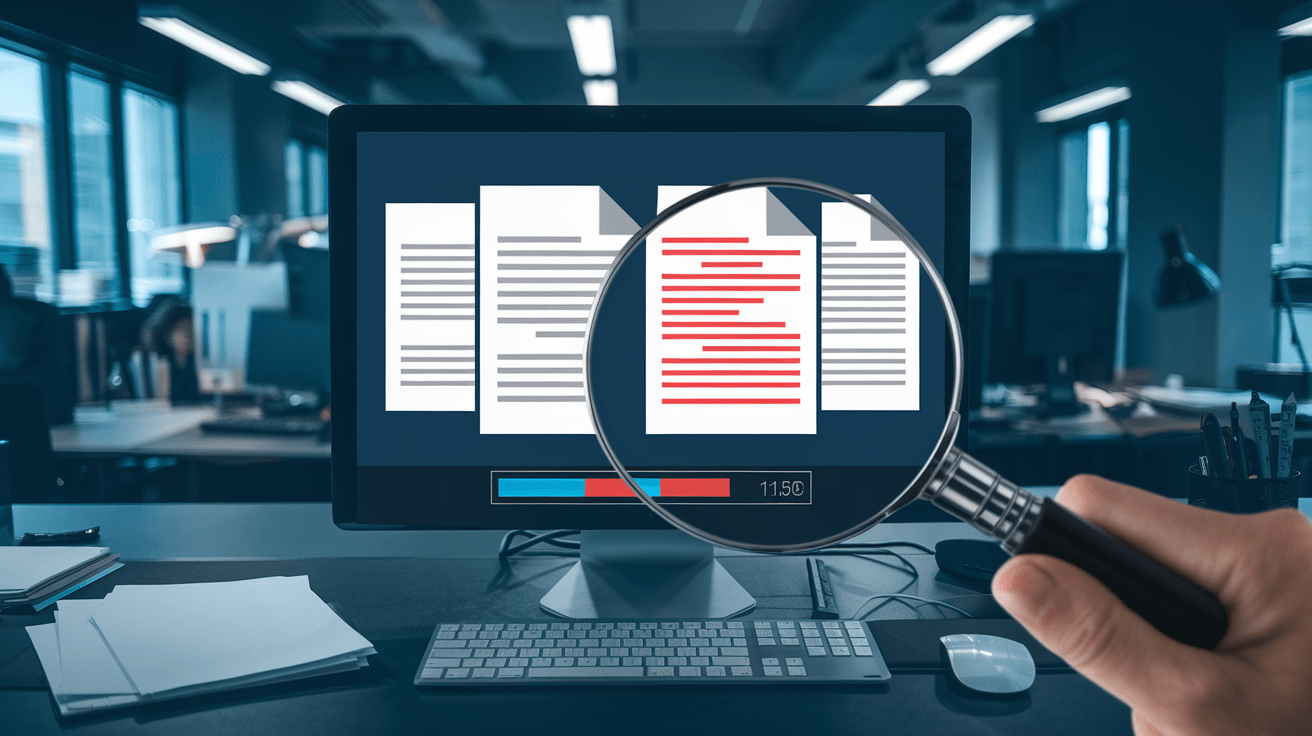
Now that we’ve explored the features of plagiarism checker tools, let’s delve into how these tools actually work to detect potential instances of plagiarism.
A. Text preprocessing and semantic analysis
Plagiarism checkers begin by preprocessing the submitted text, standardizing it for comparison. This involves removing non-essential elements and analyzing the semantic structure of the content. The text is broken down into smaller components, allowing for a more granular examination.
B. Comparison with vast online databases
Once preprocessed, the text is compared against extensive online databases. These databases contain a wide range of academic papers, published works, and web content. The comparison process utilizes various techniques:
- Fingerprinting: Creates unique digital identifiers for documents
- String matching: Identifies full, partial, or paraphrased plagiarism
- Bag of words analysis: Compares word frequency after filtering
- Citation analysis: Examines references against external databases
C. Identification of exact and partial matches
Plagiarism checkers employ sophisticated algorithms to detect both exact and partial matches:
| Match Type | Description | Detection Method |
|---|---|---|
| Exact | Word-for-word copying | Direct text comparison |
| Partial | Paraphrasing or restructuring | Fuzzy matching algorithms |
These algorithms consider factors like synonyms and sentence structure to identify similarities even when wording has been altered.
D. Generation of detailed plagiarism reports
After analyzing the text, plagiarism checkers generate comprehensive reports. These reports typically include:
- Similarity percentage
- Highlighted matching text
- Source links for potential matches
- Suggestions for proper citation
The threshold for flagging potential plagiarism is carefully determined to balance the risk of false positives and negatives.
With this understanding of how plagiarism checkers work, we’ll next explore the benefits these tools offer to different user groups, including students, educators, and content creators.
Benefits for Different User Groups

Now that we’ve explored how plagiarism checkers work, let’s examine the benefits these tools offer to different user groups.
A. Students and academics
Students and academics benefit significantly from plagiarism checker tools:
- Maintain academic integrity by identifying uncredited sources
- Avoid unintentional plagiarism, which can have serious academic repercussions
- Enhance writing skills by emphasizing proper citation
- Ensure originality in final papers and internship applications
- Prepare for future academic endeavors by understanding responsible use of generative AI
B. Writers and content creators
For writers and content creators, plagiarism checkers offer several advantages:
- Safeguard professional reputation by ensuring content originality
- Streamline the writing process from brainstorming to final edits
- Access paraphrasing tools for rewording text when necessary
- Improve overall writing quality and clarity
C. SEO professionals and bloggers
SEO professionals and bloggers can leverage plagiarism checkers to:
- Avoid duplicate content that could negatively impact SEO
- Ensure the uniqueness of their content across various platforms
- Maintain credibility and trust with their audience
D. Teachers and researchers
Teachers and researchers find plagiarism checkers invaluable for:
| Benefit | Description |
|---|---|
| Time-saving | Streamline the plagiarism detection process |
| Accuracy | Receive detailed reports highlighting problematic sections |
| Academic integrity | Ensure students’ work meets university standards |
| Grading efficiency | Automate checks for originality during assessment |
Plagiarism checkers offer comprehensive support for various user groups, promoting originality, improving writing quality, and maintaining academic and professional integrity. With these benefits in mind, next, we’ll explore the additional features and functionalities that make these tools even more powerful and user-friendly.
Additional Features and Functionalities
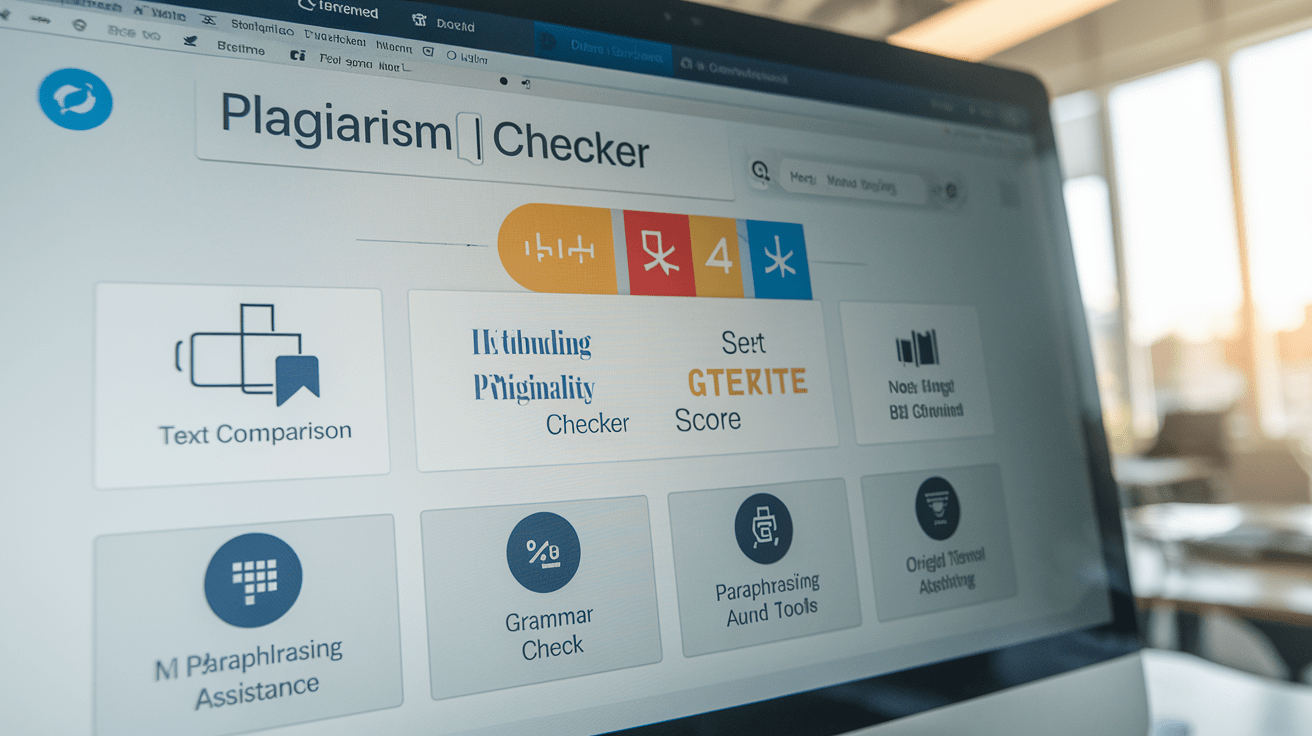
Now that we’ve explored the benefits of plagiarism checkers for different user groups, let’s delve into the additional features and functionalities that these tools offer to enhance the writing process.
Paraphrasing tools for content improvement
Many plagiarism checkers come equipped with paraphrasing tools that help users improve their content. These tools assist in rewording text while maintaining the original meaning, which is particularly useful when trying to avoid unintentional plagiarism. For instance, Grammarly offers a paraphrasing tool that allows users to rephrase sentences or paragraphs, ensuring clarity and originality in their writing.
Citation generators and formatting assistance
One of the key features of advanced plagiarism checkers is their ability to assist with citations and formatting. This functionality is crucial for maintaining academic integrity and properly attributing sources.
| Citation Feature | Benefit |
|---|---|
| Automatic formatting | Saves time and ensures accuracy |
| Multiple style support | Accommodates APA, MLA, Chicago, etc. |
| Error identification | Highlights formatting mistakes |
Grammarly, for example, not only identifies potential plagiarism but also helps users format their citations correctly across various styles, reducing the risk of accidental citation errors.
AI content detection capabilities
With the rise of AI-generated content, plagiarism checkers have evolved to include AI detection features. These tools can:
- Categorize text sources (AI-generated, online databases, or user-authored)
- Promote transparency in writing
- Prepare users for academic and professional environments where AI usage may be scrutinized
Grammarly’s Authorship feature exemplifies this capability, helping users understand the origin of their content and ensuring compliance with academic and professional standards.
Integration with writing enhancement tools
Modern plagiarism checkers often integrate with broader writing enhancement tools, offering a comprehensive suite for content creation and improvement. These integrations typically include:
- Grammar and spelling checks
- Style suggestions
- Clarity improvements
- Vocabulary enhancements
By combining these features, tools like Grammarly streamline the entire writing process, from initial drafts to final edits, fostering effective communication and academic excellence.
With these additional features in mind, next, we’ll explore how to choose the right plagiarism checker that best suits your specific needs and requirements.
Choosing the Right Plagiarism Checker

Now that we’ve explored additional features and functionalities of plagiarism checkers, let’s delve into how to choose the right tool for your needs.
Free vs. paid options
When selecting a plagiarism checker, consider your budget and requirements:
| Feature | Free Options | Paid Options |
|---|---|---|
| Database size | Limited | Extensive |
| Detection accuracy | Basic | Advanced |
| Additional features | Minimal | Comprehensive |
| User support | Limited | Dedicated |
Free tools like DupliChecker offer quick checks without registration, while paid options like Grammarly provide more advanced features and support.
User privacy and data protection
Prioritize tools that safeguard your content:
- Most reputable plagiarism checkers don’t store or sell user documents
- Verify the tool’s privacy policy before use
- Consider options that offer secure document handling
Accuracy and comprehensiveness of results
Choose a tool known for its detection capabilities:
- Look for checkers that can identify various types of plagiarism, including paraphrasing
- Consider the size and quality of the tool’s comparison database
- Opt for services that provide clear, detailed reports on potential matches
For instance, Scribbr stands out for its ability to detect paraphrased plagiarism and offers a user-friendly interface.
Additional writing support features
Select a plagiarism checker that offers more than just detection:
- Citation generators for accurate formatting
- Paraphrasing tools for rewording text
- Grammar and style checkers for overall writing improvement
- Self-plagiarism detection capabilities
Grammarly, for example, provides a comprehensive suite of writing support tools, including AI-powered suggestions and citation formatting assistance.
By carefully considering these factors, you can choose a plagiarism checker that not only ensures content originality but also supports your overall writing process and academic integrity.
Plagiarism checker tools have become indispensable in today’s digital landscape, offering a wide range of features to ensure content originality and academic integrity. From advanced AI algorithms that detect various types of plagiarism to multilingual support and detailed reports, these tools cater to the needs of students, writers, educators, and professionals alike. By comparing submitted text against vast online databases, they provide quick and accurate results, helping users maintain the authenticity of their work.
Choosing the right plagiarism checker is crucial for safeguarding your reputation and ensuring compliance with ethical standards. Whether you opt for a free service or a premium tool with advanced features, the goal remains the same: to produce original, high-quality content. By utilizing these tools effectively, you not only protect yourself from potential consequences but also contribute to a culture of integrity and respect for intellectual property. Make plagiarism checking a regular part of your writing process to enhance your work’s credibility and impact.